DIY Eye Tracking Cameras

This page provides an objective comparison of DIY eye tracking cameras and research eye tracking builds. Be sure to check infrared irradiance values with an irradiance meter before using any of these setups in practice.

Camera List and Comparison (sorted by price):

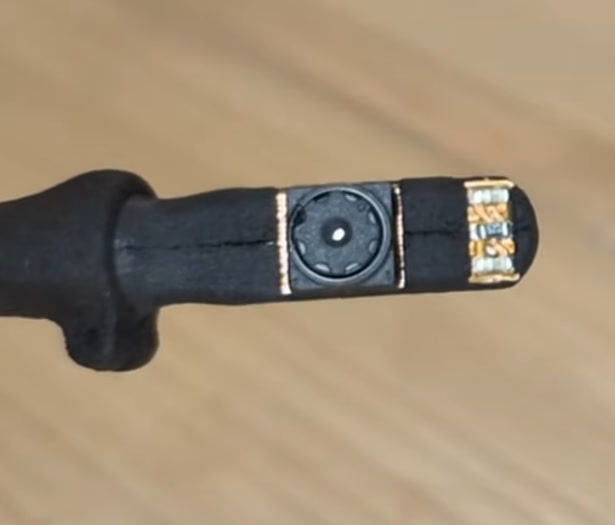
GC0308 Infrared Camera ($17)

This is one of the least expensive cameras available that works practically well for near-eye tracking. It can be attached to glasses, used in AR/VR displays, and is UVC (USB) plug-and-play. Though tracking accuracy is slightly lower than with more expensive cameras, it is usable for most interactive applications.

Pros

  • Inexpensive
  • Small form-factor
  • UVC/USB Plug-and-play

Cons

  • Red-eye effect affects accuracy
  • One cable needed per camera
  • Heat can be a problem if enclosed

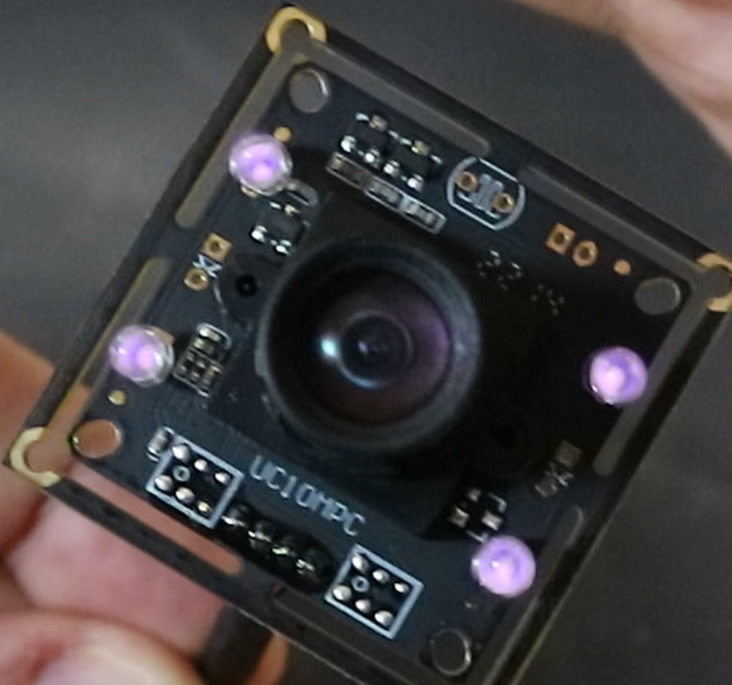
OV9281 Camera Module ($100)

This camera has significantly higher resolution than others and is customizable with six LED slots. Take care to verify irradiance after installation. Though its lens filter must be removed manually, the image and focusable lens are well suited for near-eye and webcam-based eye tracking algorithms.

Pros

  • High quality image
  • Customizable LEDs
  • UVC/USB Plug-and-play
  • Can be used for near-eye and webcam-based tracking

Cons

  • Large form factor
  • LEDs require soldering and irradiance verification
  • IR filter must be removed

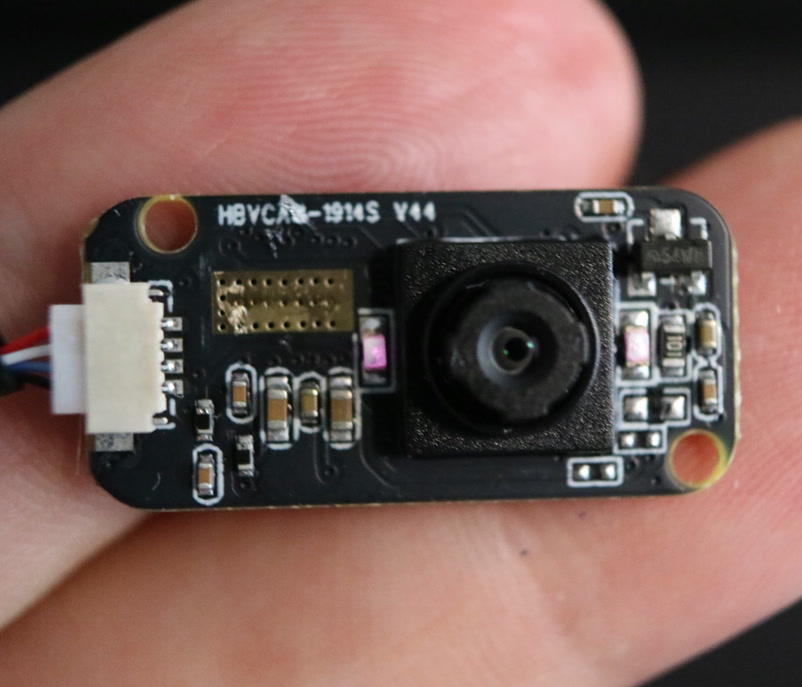
Pupil Labs Camera €685 (~$800)

Unlike the camera modules above, this is a camera that is specifically designed for eye tracking with Pupil Labs software. Though it requires a custom driver, it provides 200hz eye tracking and has an adjustable arm.

Pros

  • Designed for eye tracking
  • Adjustable arm
  • High framerate (200hz)

Cons

  • Relatively expensive
  • Requires additional drivers
  • Designed for use with Pupil Labs software

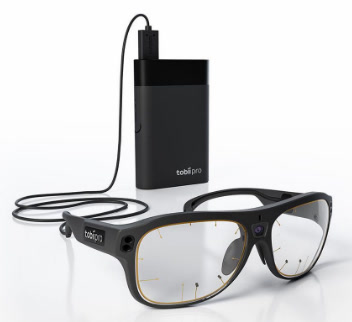
Tobii Pro ($10,000 - $15,000)

The Tobii pro is a professional eye tracking system that is integrated into a set of glasses. Though the system is extremely expensive and has some restrictions on usage through its license-based subscription, it is the most accurate system available when extreme precision is required.

Pros

  • Very accurate
  • All-in-one package
  • Comprehensive software suite

Cons

  • EXTREMELY expensive
  • No access to eye camera images
  • Licence-based usage with restrictions